Publication Design + Corporate Communications
Ashley's Home Accents and Rugs categories required a large-scale catalog system that could organize hundreds of products, multiple categories, lifestyle imagery, pricing/details, and merchandising priorities into a clear and usable publication format.
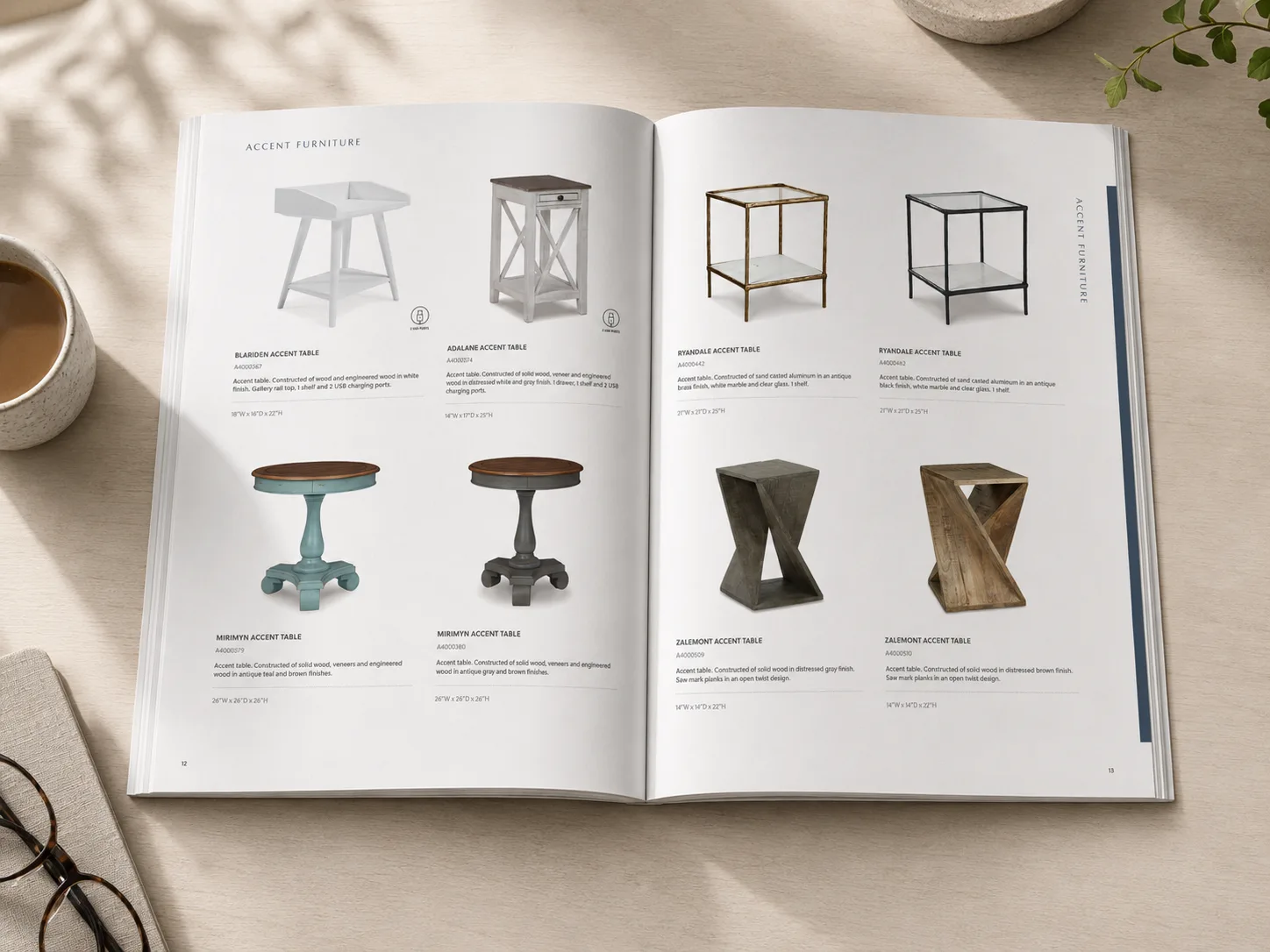
The catalogs were built around a structured editorial and product layout system. Reusable page templates, consistent typography, organized product grids, image-led section openers, and clear information hierarchy helped create publications that were both visually engaging and easy to navigate.
01 / The Catalog System
Across three Home Accents catalogs and one Rugs catalog, the project required a repeatable publication system that could support high-volume product browsing, lifestyle imagery, category organization, and digital flipbook delivery. The system needed to be flexible enough to accommodate different product categories and page types while maintaining a consistent visual language across each publication.
02 / Home Accents Catalogs
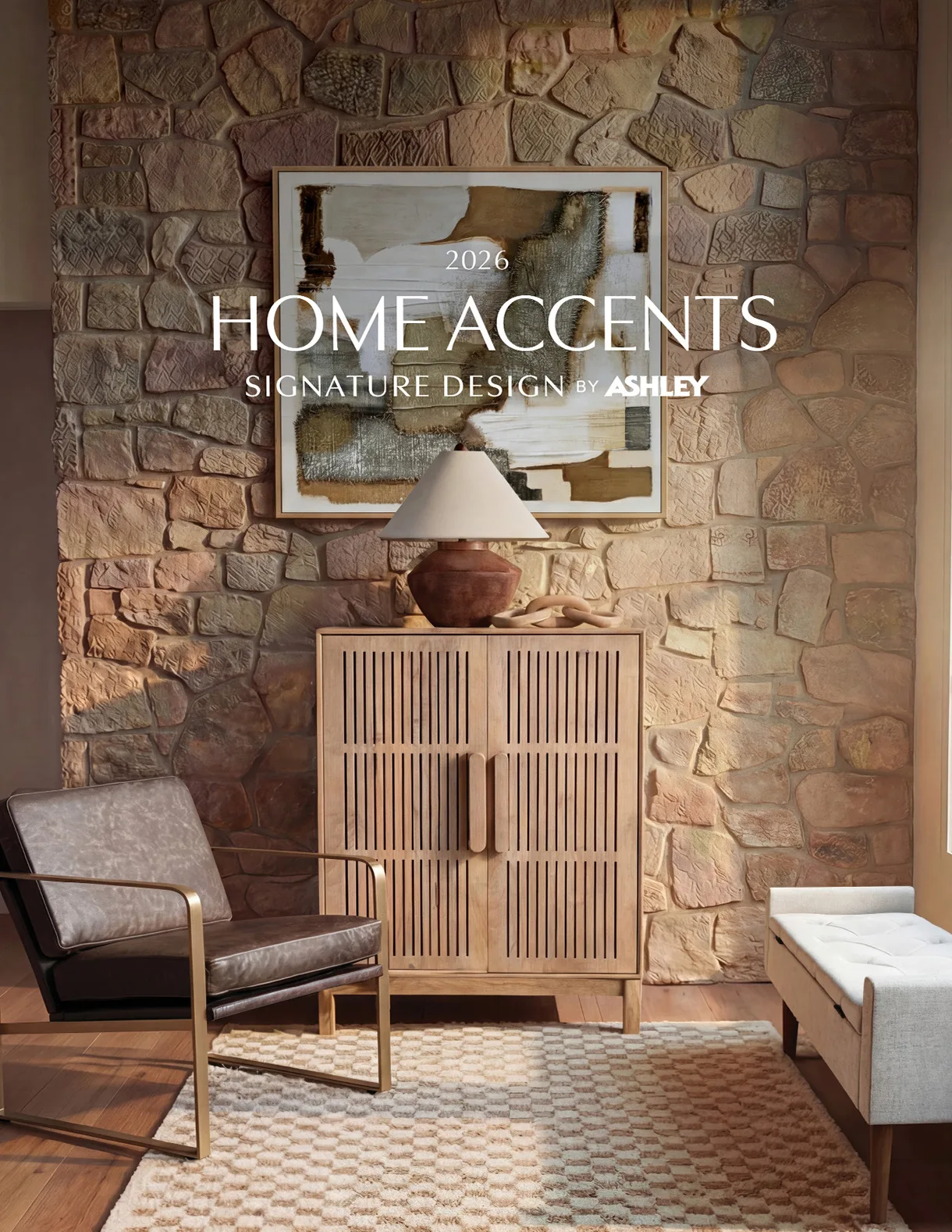
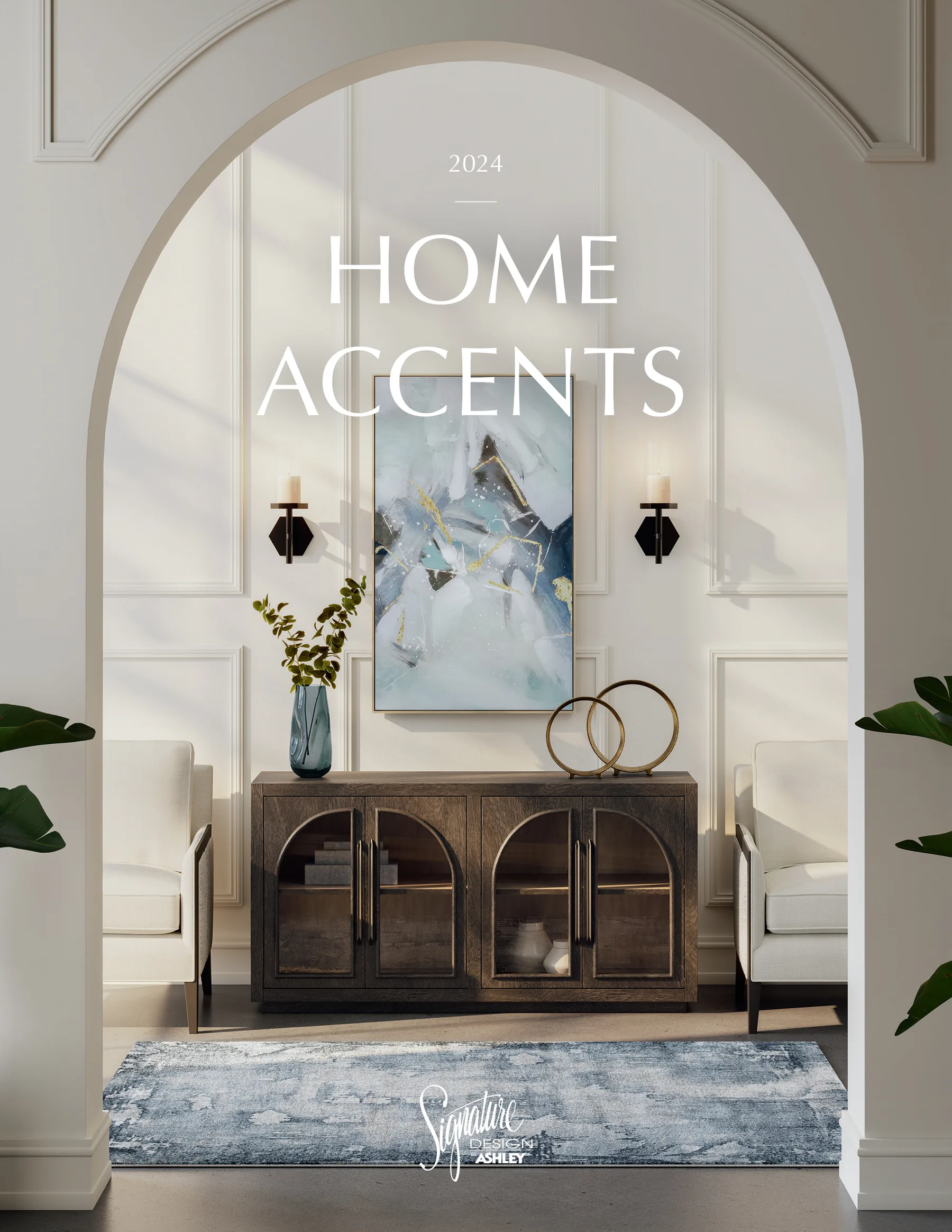
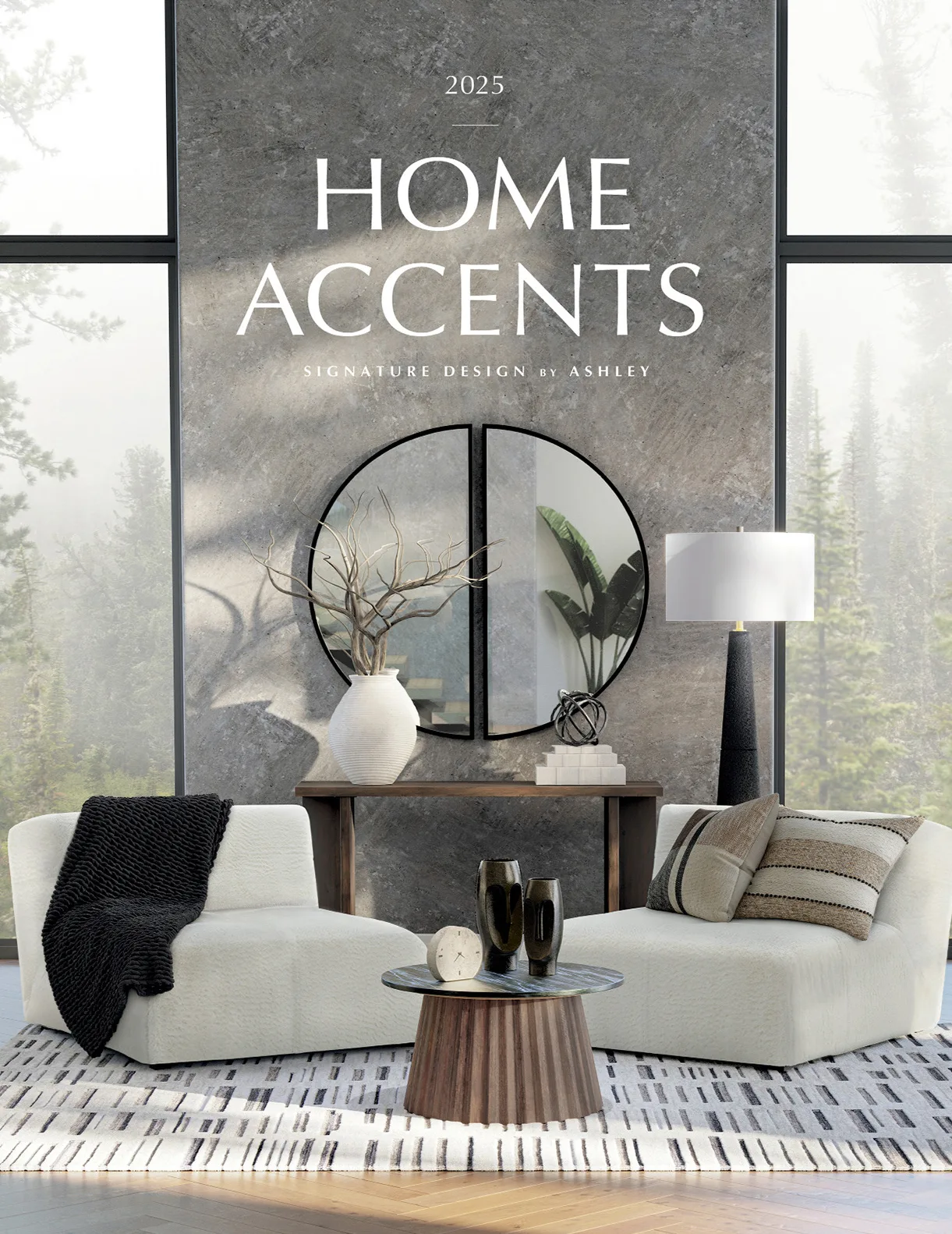
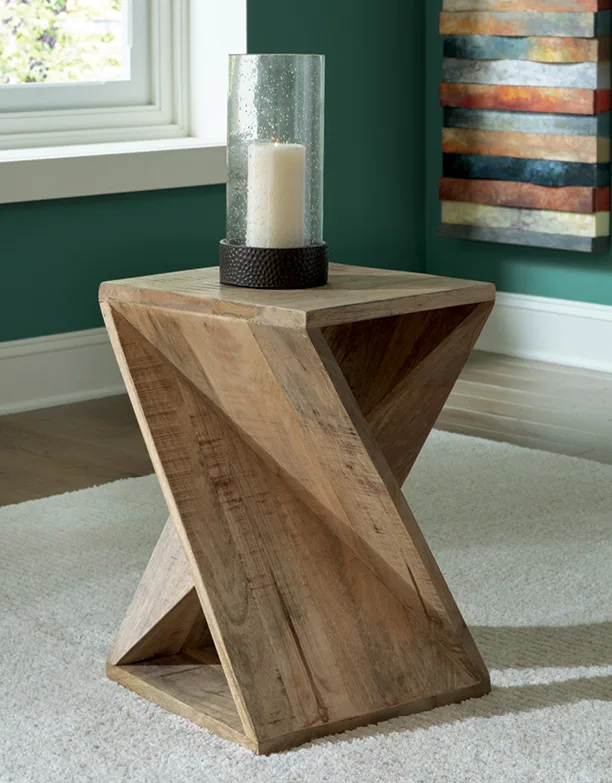
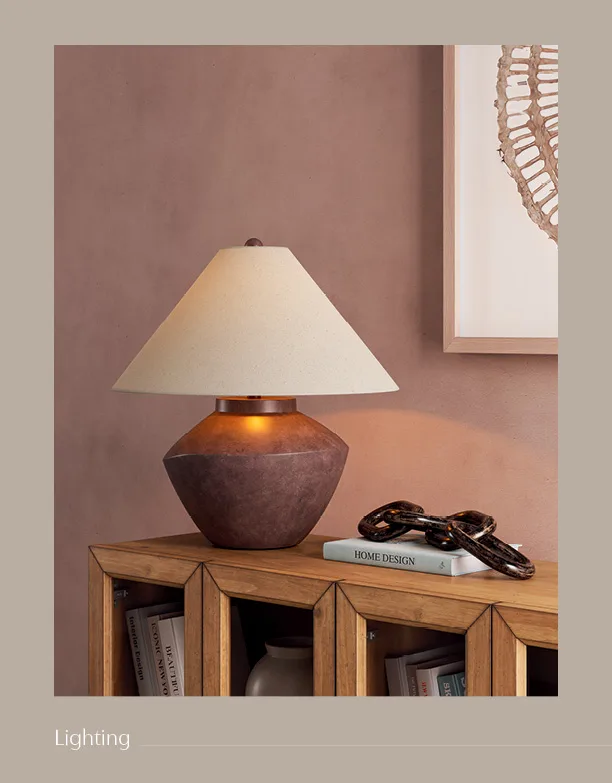
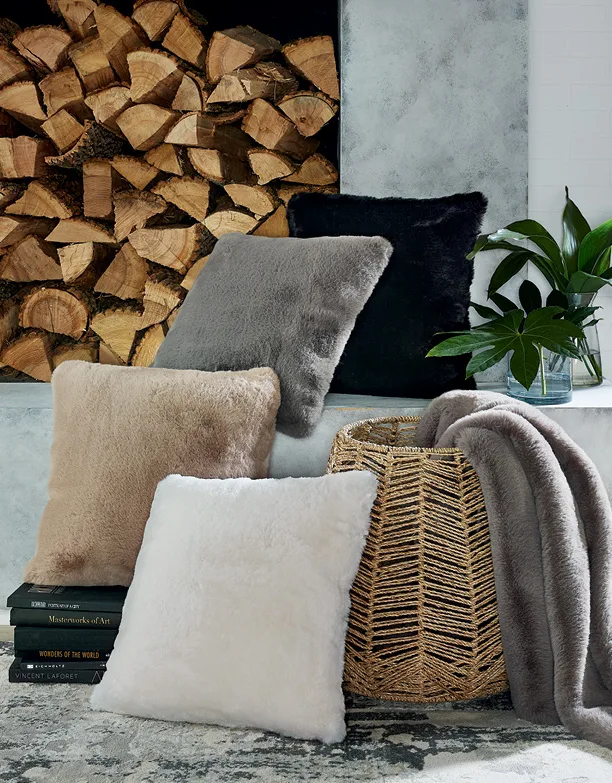
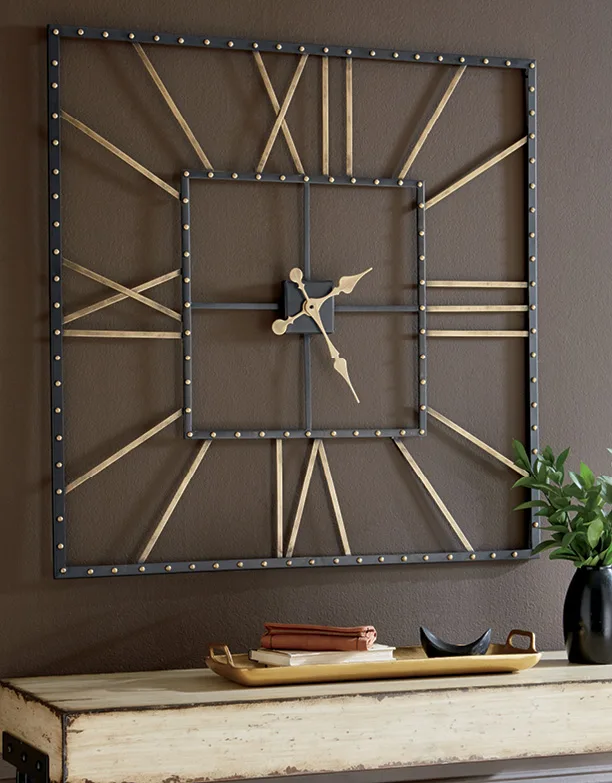
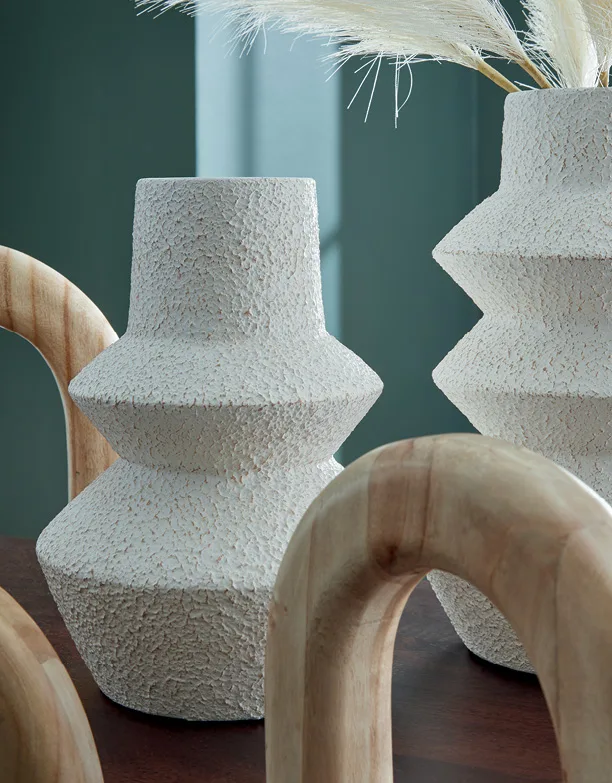
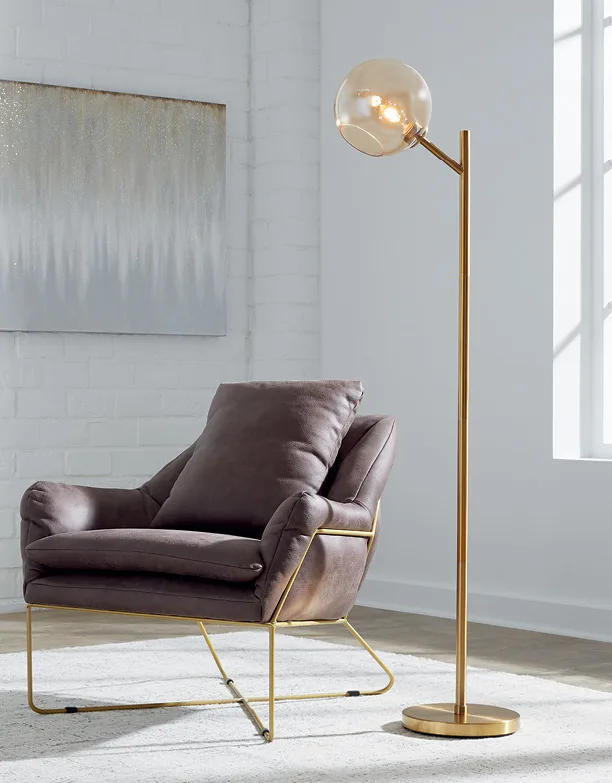
The Home Accents catalogs required a flexible system for organizing decorative accessories, lighting, mirrors, wall art, textiles, and seasonal assortments into clear, browsable sections. Each catalog needed to feel visually polished while still functioning as a practical product resource for sales teams, dealers, and internal stakeholders.
03 / Product Organization
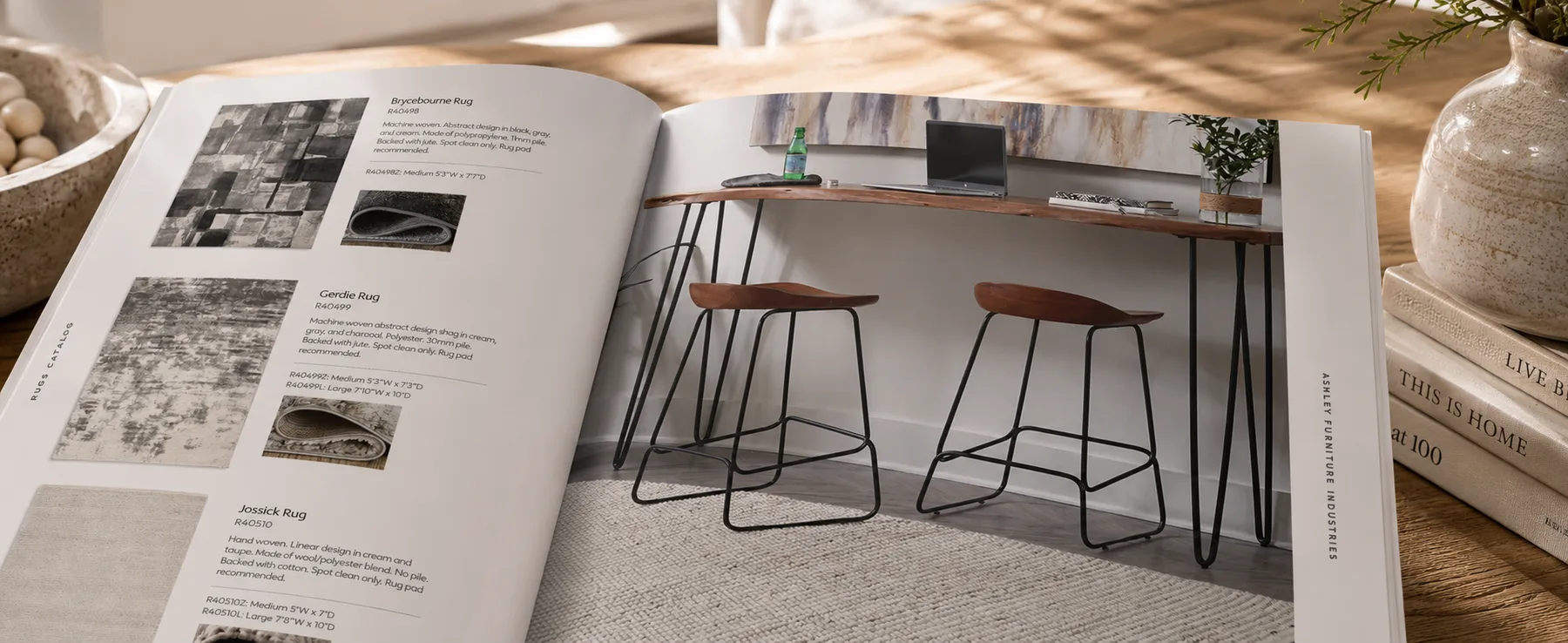
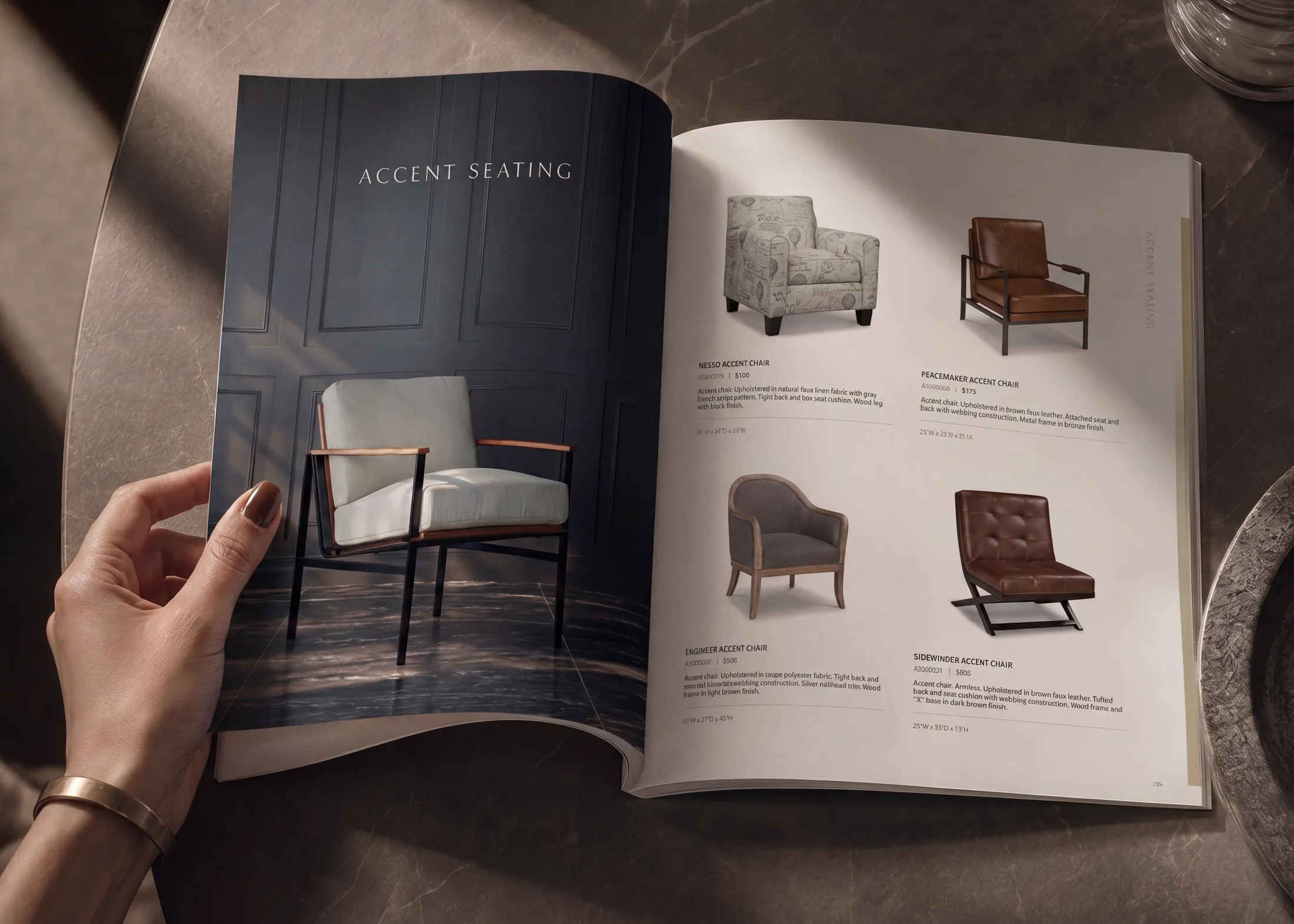
Each catalog required a clear hierarchy for browsing large product collections. Product grids, category groupings, image sizing, captions, and supporting details were structured to make each page feel organized, scannable, and easy to use.
04 / Editorial Moments
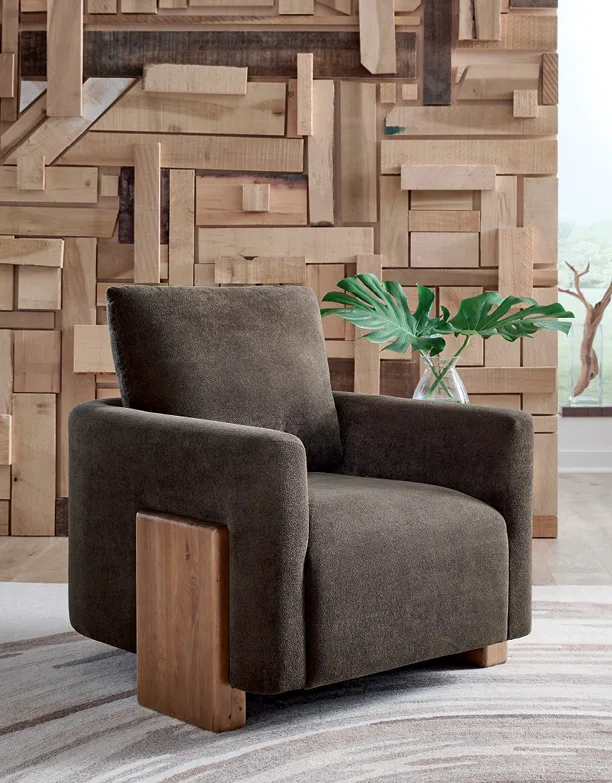
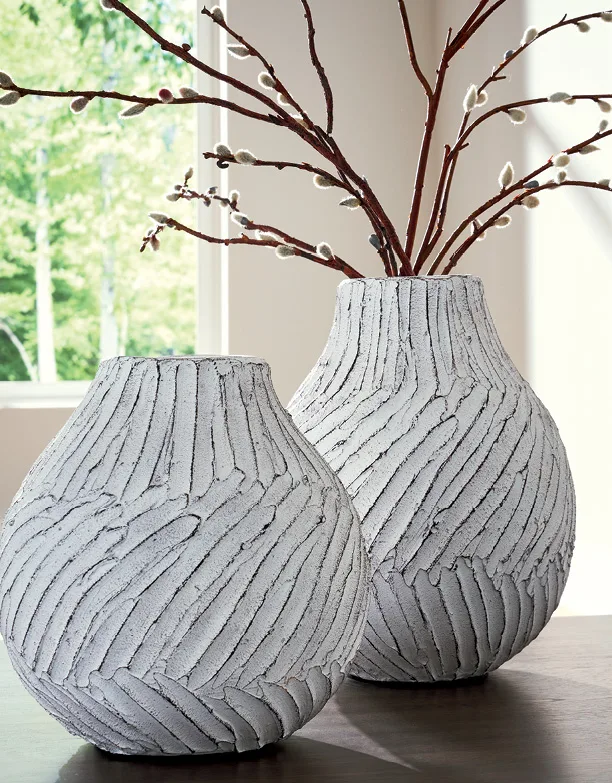
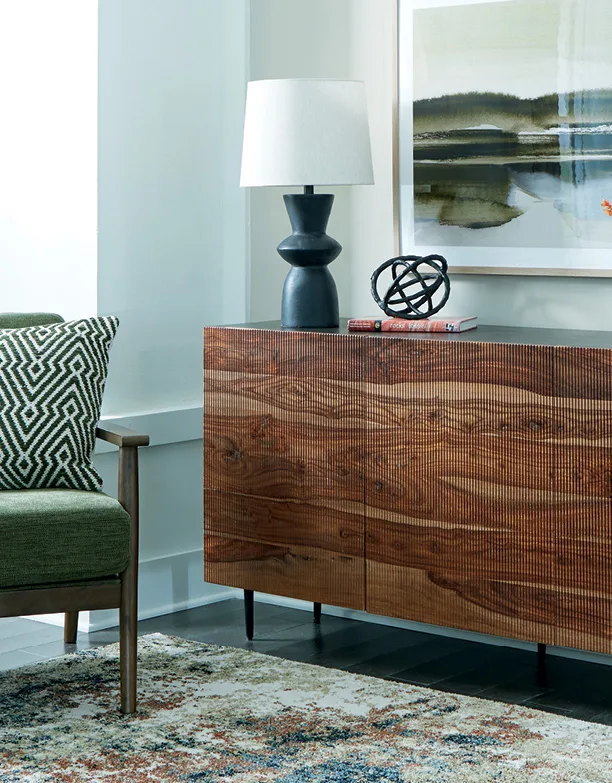
Lifestyle imagery, section openers, and feature spreads helped create visual rhythm across the catalogs. These moments gave each publication room to breathe, breaking up dense product sections while reinforcing the style, tone, and merchandising story behind each collection.
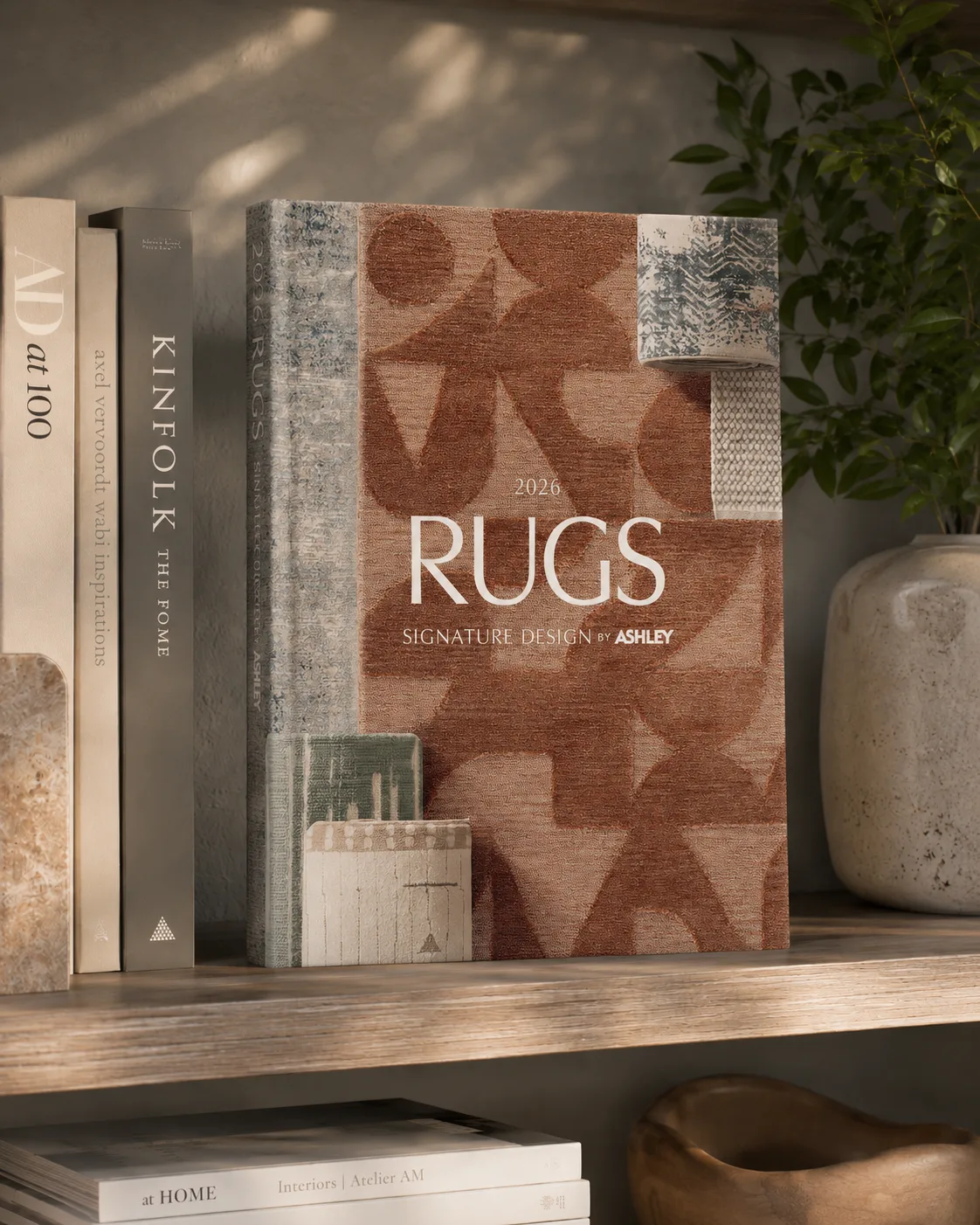
05 / Rugs Catalog
The Rugs catalog adapted the broader publication system for a category with its own merchandising needs, including pattern, texture, size variation, lifestyle context, and collection organization. The layout approach helped make the assortment easier to browse while giving the category a more elevated, design-forward presentation.